How Seasonal Promotions Drive Sales at Outlet Stores
Outlet stores hold a unique and powerful position in the retail ecosystem. Originally established as liquidation channels for excess inventory, irregular items, and previous season stock, modern outlet centers have evolved into sophisticated shopping destinations. Today, major brands use outlet centers not only to clear overstock but also to manufacture dedicated outlet lines that deliver brand prestige at accessible price points.
At the heart of an outlet store’s ongoing revenue strategy is the strategic deployment of seasonal promotions. By capitalizing on seasonal shifts, holidays, and regional tourism patterns, outlet retailers turn casual shoppers into high-spending consumers. Understanding how these promotional strategies operate reveals why outlet centers remain exceptionally profitable year after year.
The Psychology of Outlet Shopping and Seasonal Urgency
To understand how seasonal promotions drive sales at outlets, one must first examine the psychological mindset of the outlet consumer. Shoppers visit outlet centers expecting significant value, but they are also driven by the thrill of the deal.
Anticipation of Value and the Savings Mindset
Outlet shoppers generally display higher purchase intent than traditional mall visitors. Because outlet centers are frequently located outside major metropolitan areas, visitors often make dedicated trips. This intentional effort creates a commitment mindset: consumers want to justify their travel time and transportation costs by making purchases.
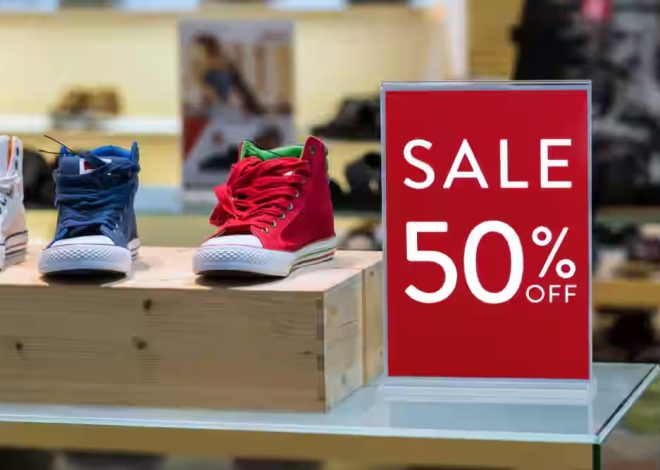
Seasonal promotions amplify this existing value anticipation. When a brand advertises an additional 30 percent to 50 percent off existing outlet prices during a seasonal event, it lowers consumer price resistance. Shoppers perceive the combination of baseline outlet discounts and promotional markdowns as an exceptional, time-sensitive opportunity.
The Urgency Created by Limited-Time Seasonal Windows
Seasonal promotions operate on strict timelines, such as Back-to-School sales, Labor Day clearance events, or holiday doorbusters. These limited windows introduce scarcity and urgency into the buying decision.
-
Fear of Missing Out: Consumers recognize that seasonal inventory in outlets moves quickly. If they hesitate on a discounted winter coat during a fall promotion, it will likely be gone on their next visit.
-
Batch Purchasing Behavior: Seasonal transitions prompt shoppers to buy entire wardrobes or gift sets at once rather than making piecemeal purchases throughout the year.
-
Perceived Scarcity: Outlets leverage the perception that stock levels are finite, encouraging immediate conversion rather than delayed decision-making.
Key Seasonal Promotional Strategies That Move Inventory
Outlet retailers utilize specific, field-tested promotional mechanics designed to increase foot traffic, raise average order values, and clear inventory efficiently.
Tiered Discounts and Volume-Based Pricing
During major seasonal transitions, such as late summer or post-holiday periods, outlet stores must clear substantial inventory to make room for incoming lines. Tiered discounts are exceptionally effective at driving volume.
Promotions such as spend 100 dollars get 20 percent off, spend 150 dollars get 30 percent off, or buy two items get the third free motivate shoppers to add extra items to their carts. In an outlet environment where individual unit prices are already discounted, consumers actively seek additional items to hit the higher savings thresholds, significantly boosting the retailer’s average transaction value.
Doorbusters and Loss Leaders
Holiday promotional weekends, such as Black Friday or Memorial Day weekend, rely heavily on high-impact doorbusters. Outlets feature deeply discounted headline items near store entrances or in promotional flyers to draw consumers into the store.
While the margin on a doorbuster item may be thin, these products generate massive foot traffic. Once inside, shoppers browse full-margin merchandise, accessory displays, and core product lines, leading to higher overall basket sizes.
Exclusive Outlet Coupon Bundles and Digital Passports
Outlet shopping centers frequently partner with tenant brands to offer center-wide promotional passes. During peak seasonal periods like spring break or summer vacation, developers distribute digital savings passports or physical coupon booklets.
These center-wide initiatives encourage cross-shopping between stores. A customer who travels to an outlet center specifically for athletic shoes is incentivized by a seasonal coupon booklet to also visit apparel, luggage, and home goods stores within the same complex.
Managing Inventory Flow and Margin Protection
From an operational standpoint, seasonal promotions serve as a vital mechanism for inventory control and margin management.
Clearing Past-Season Overstock Efficiently
Retailers operate on strict merchandising calendars. Holding unsold summer inventory into the deep winter months ties up capital and occupies valuable floor space. Seasonal clearance promotions allow brands to liquidate past-season goods rapidly.
By bundling leftover inventory into end-of-season warehouse events or sidewalk sales, outlet stores liquidate aged inventory, convert idle stock back into cash flow, and maintain a fresh, appealing store environment for returning customers.
Balancing Made-for-Outlet Lines with Genuine Clearance
Modern outlets balance two distinct product streams: overstock clearance items from full-price retail stores and merchandise manufactured specifically for the outlet channel.
Seasonal promotions strategically blend these two categories. High-margin, made-for-outlet products are often discounted alongside deeply reduced authentic clearance stock. This blended strategy protects the store’s overall gross margin while still delivering the deep discount visual environment that shoppers expect during major sale events.
Maximizing Tourism and Regional Travel Patterns
Unlike conventional suburban shopping malls that rely primarily on local neighborhood traffic, outlet centers function as regional shopping destinations and tourist attractions.
Capitalizing on Peak Vacation Windows
Outlet developers intentionally position centers along major highway corridors and near popular vacation destinations. Seasonal promotions are precisely timed to align with peak travel seasons, such as summer road trips, holiday travel, and long weekend getaways.
During travel peaks, outlet centers run targeted outdoor, radio, and digital geo-fenced advertising campaigns aimed at tourists. Highlighting seasonal events gives travelers a compelling reason to make a planned shopping stop during their trip.
Courting Bus Tours and Group Shopping Events
Many outlet centers actively partner with tour bus operators, convention bureaus, and travel agencies. During peak seasonal periods, group tour visitors receive exclusive seasonal welcome bags, extra discount vouchers, and meal vouchers. Group shoppers generally have high conversion rates and elevated spending averages, making them a lucrative audience for seasonal promotional pushes.
Operational Execution for High-Volume Seasonal Events
A successful seasonal promotion requires meticulous operational preparation. Execution breakdowns during high-traffic promotional periods can result in lost sales and negative brand perception.
-
Optimized Floor Layouts: Stores place promotional tables and high-density clearance racks toward the center and rear of the store, forcing shoppers to pass full-priced core inventory on their way to the deepest discounts.
-
Accelerated Checkout Procedures: Outlets deploy mobile point-of-sale systems, queue management lines, and dedicated return stations to process high transaction volumes quickly during peak holiday weekends.
-
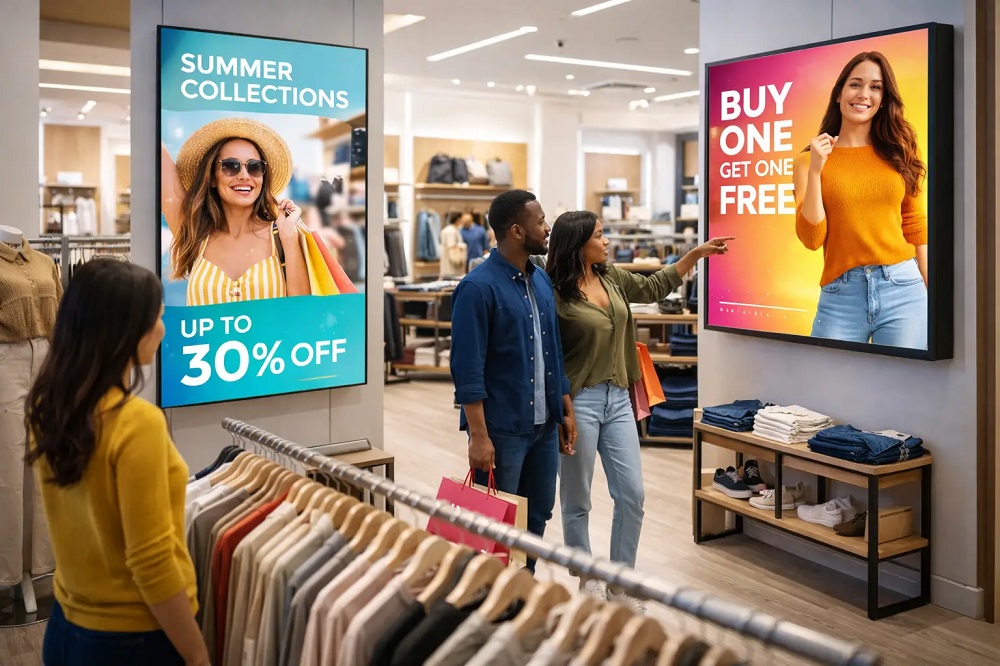
Visual Merchandising Impact: Bold, easy-to-read signage clearly communicates promotional mechanics, reducing customer confusion and speeding up purchase decisions.
Frequently Asked Questions
How do seasonal promotions at outlet stores differ from sales at regular retail malls?
Outlet seasonal promotions typically build upon an already discounted baseline price, offering layer-upon-layer savings. Additionally, outlet promotions focus heavily on volume clearing and high-density inventory setups, whereas full-price mall sales focus on moving current-season merchandise at selective price reductions.
Are products sold during outlet seasonal promotions lower quality than standard retail items?
Outlets carry two types of inventory: authentic overstock from full-price stores and items made specifically for the outlet channel. While made-for-outlet items may feature different fabrics, hardware, or construction details to meet lower price points, they meet strict brand quality standards and offer excellent value during seasonal sales.
What are the best times of year to find the deepest discounts at outlet stores?
The deepest markdowns typically occur during end-of-season clearance transitions, specifically in January after the holiday season, late July through August for summer clearance, and immediately following major holiday weekends like Memorial Day and Labor Day.
How do digital coupons and loyalty programs integrate with physical outlet promotions?
Retailers use SMS marketing, mobile apps, and email newsletters to send location-based promotional codes directly to shoppers as they arrive at an outlet center. These digital perks can often be combined with existing store-wide seasonal discounts to provide extra savings.
Why are outlet centers usually located far away from city centers and regular malls?
Brand manufacturers place outlets outside major metropolitan areas to prevent direct competition and sales cannibalization with their full-price retail stores and department store partners. These destination locations also lower real estate costs, allowing centers to pass savings on to consumers.
How do outlet stores handle returns during busy seasonal promotional periods?
Most outlet stores enforce strict return policies during major seasonal promotions. Clearance or final-sale promotional items are often non-refundable, while standard return windows may require original receipts and intact tags, or offer store credit only to streamline inventory management.
Do outlet stores price match their own brand’s e-commerce website during sales?
Policies vary by brand, but many outlet stores do not price match the brand’s primary e-commerce website or full-price retail stores. Outlet inventory models, promotional structures, and margins are managed separately from primary retail channels.