The Role of Clothing in Building Personal Confidence
Clothing is far more than a practical daily necessity designed to protect against the elements. It serves as a powerful medium of non-verbal communication, an expression of individual identity, and a direct driver of personal confidence. What you choose to wear each morning influences how you move through the world, how others perceive you, and most importantly, how you view yourself.
The psychological connection between wardrobe choices and self-assurance is rooted in human behavior, social dynamics, and cognitive science. Understanding this relationship empowers you to use clothing as an intentional tool to elevate your self-esteem, improve your daily performance, and project genuine confidence in both professional and personal settings.
The Psychology Behind Clothing and Mindset
The impact of clothing on human psychology goes beyond surface-level vanity or superficial style trends. What you put on your body actively shapes your thoughts, attitudes, and cognitive performance.
Enclothed Cognition and Its Impact
Cognitive psychologists use the term enclothed cognition to describe the systematic influence that clothes have on the wearer’s psychological processes. This phenomenon depends on two key factors: the symbolic meaning attached to the garment and the physical experience of wearing it.
-
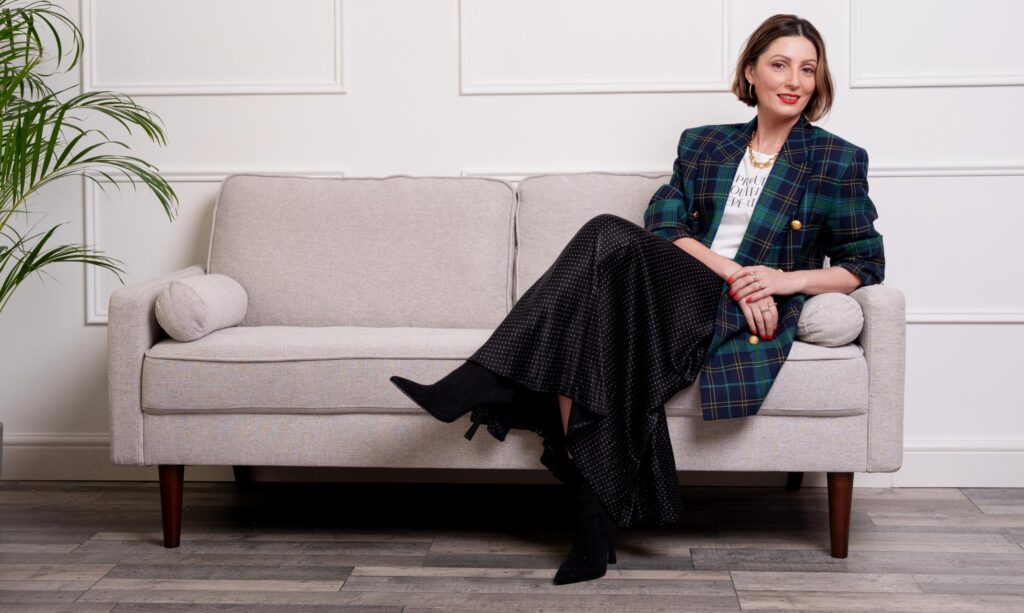
Symbolic authority: When you wear clothing associated with competence, authority, or expertise, such as a tailored blazer, a doctor’s lab coat, or a crisp formal suit, your brain adopts the characteristics linked to that attire.
-
Focus and attention: Studies show that individuals wearing formal or structured attire demonstrate increased mental focus, abstract thinking abilities, and executive functioning compared to those wearing casual or loungewear.
-
Embodied self-perception: The physical tactile feedback of well-fitted, structured clothing reminds you to maintain proper posture, which reinforces feelings of power and control.
Breaking the Self-Perception Loop
Your wardrobe creates a continuous feedback loop with your emotional state. When you feel low on energy or self-confidence, the temptation to dress in oversized, frumpy, or uninspired clothing is strong. However, dressing down to match a low mood reinforces that negative state.
Choosing to dress intentionally, even on challenging days, acts as a subtle psychological reset. Putting on clothing that makes you feel capable and attractive signals to your brain that you are ready to engage with the world, breaking negative emotional spirals and building internal momentum.
Fabric, Fit, and Physical Comfort
True personal confidence cannot exist without physical comfort. If an outfit requires constant adjustment, pinches at the waist, or restricts movement, it creates physical anxiety and distraction rather than self-assurance.
The Power of Proper Tailoring
Proper fit is the single most critical factor in how clothing affects your self-image. An inexpensive garment that is tailored to fit your specific body shape always looks more refined and instills greater confidence than an ill-fitting designer piece.
-
Elongated lines: Well-tailored clothing complements your natural proportions, creating clean vertical lines that enhance physical posture and presence.
-
Freedom of movement: Clothes that fit correctly allow you to sit, walk, reach, and interact comfortably without feeling self-conscious about gaps, pulling seams, or riding hem-lines.
-
Elimination of fidgeting: When your clothes stay securely in place, you eliminate nervous fidgeting, such as pulling down a shirt hem or adjusting a waistband, allowing you to focus completely on your surroundings.
Tactile Comfort and Sensory Wellbeing
The sensory feel of fabrics against your skin directly affects your nervous system. High-quality natural materials like breathable cotton, soft merino wool, smooth silk, and structured linen promote physical comfort and reduce physical irritability.
Synthetic fabrics that trap heat, scratch the skin, or cause excessive sweating elevate physical discomfort, which subtly erodes confidence during high-pressure situations like public speaking or job interviews. Selecting soft, high-performance, and breathable textiles ensures your outfit supports your physical comfort throughout the day.
Using Color to Influence Mood and Perception
Color psychology plays a major role in how clothing affects internal confidence and external communication. Colors evoke specific emotional and physiological responses in both the person wearing them and the people observing them.
Strategic Color Selection
-
Black and navy: Represent authority, sophistication, discipline, and stability. Darker neutral tones create a grounding effect, making them classic choices for boardrooms, formal presentations, and serious negotiations.
-
Red and bold jewel tones: Signal strength, energy, passion, and high impact. Wearing red increases physical alertness and commands attention in group settings, making it an ideal accent color when you want to make a memorable impression.
-
Blue and soft pastels: Promote feelings of calm, trust, approachability, and open communication. Lighter blues reduce physical stress responses and foster collaborative atmospheres.
-
Earthy neutrals and greens: Evoke balance, reliability, authenticity, and poise. Earth tones provide a subtle, low-ego confidence that allows your words and actions to take center stage.
Understanding Personal Color Harmony
Wearing colors that complement your natural skin undertones, hair, and eye color brightens your complexion and makes you look rested and vibrant. Conversely, wearing shades that clash with your natural coloring can make you look tired or washed out, negatively affecting how you feel when you look in the mirror.
Crafting a Authentic Personal Style
Confidence does not come from blindly following short-lived fashion trends or copying someone else’s wardrobe. True confidence develops when your outward appearance aligns seamlessly with your inner values, personality, and lifestyle.
Aligning Exterior Style with Interior Identity
When your clothing reflects your genuine personality, you experience stylistic alignment. Wearing clothes that feel foreign or forced, even if they are universally stylish, creates internal tension and self-doubt.
-
Identify core style anchors: Define three to four words that represent how you want to present yourself to the world, such as professional, creative, classic, approachable, or bold.
-
Audit your current closet: Keep items that match your style anchors and remove garments that trigger feelings of self-criticism, physical discomfort, or guilt.
-
Invest in signature pieces: Build your personal image around timeless anchor pieces, such as a signature jacket, high-quality boots, or distinctive eyewear that feels uniquely yours.
The Capsule Wardrobe Approach to Reducing Decision Fatigue
Making hundreds of trivial choices every morning drains your mental energy before your workday even begins. Decision fatigue lowers willpower and self-control, leaving you feeling overwhelmed.
A curated capsule wardrobe consists of high-quality, versatile items that effortlessly mix and match. Streamlining your wardrobe options speeds up your morning routine, eliminates outfit frustration, and guarantees that every combination you put on makes you feel put-together and confident.
Clothing for Key High-Stakes Moments
Different environments demand different levels of personal presence. Dressing purposefully for specific life events helps you navigate high-stakes situations with calm authority.
Professional and Career Environments
In professional settings, your attire acts as a visual shortcut for your competence, attention to detail, and respect for the organization. Dressing slightly above the baseline expectation of your workplace demonstrates ambition and leadership readiness.
Clean, structured attire helps establish clear professional boundaries and commands respect from colleagues and clients alike. When you know you look polished, you speak up more readily in meetings and navigate challenging workplace conversations with greater composure.
Social and Casual Settings
Casual settings often present a different challenge: striking the right balance between relaxed comfort and personal style. Wearing elevated casual attire, such as dark-wash denim paired with a structured blazer or tailored knitwear, strikes a balance between feeling approachable and looking deliberate.
Being well-dressed in social environments frees you from social anxiety, allowing you to focus on genuine connection, conversation, and enjoyment rather than worrying about whether you look out of place.
Practical Steps to Build a Confidence-Boosting Wardrobe
Transforming your wardrobe into a reliable source of self-confidence requires an intentional, step-by-step approach.
-
Conduct a honest closet purge: Remove garments that no longer fit, are stained or worn out, or make you feel inadequate. Keep only clothes that fit your current body and lifestyle.
-
Invest in proper undergarments: High-quality, well-fitting undergarments form the literal foundation of every outfit. Proper support improves posture and ensures clothing lays smoothly over the body.
-
Build around classic base layers: Focus initial shopping efforts on versatile, high-quality neutrals like tailored trousers, dark denim, crisp button-down shirts, and structured jackets before adding trendy accent pieces.
-
Establish a regular garment care routine: Keep your clothing clean, ironed or steamed, and properly stored. Wearing creased, lint-covered, or damaged garments instantly undermines the confidence benefits of a well-planned outfit.
Frequently Asked Questions
Can dressing well genuinely improve mental health and self-esteem long term?
While clothing cannot replace professional mental health care, dressing intentionally serves as an effective behavioral tool. Consistently putting effort into your physical appearance promotes positive self-care habits, reduces daily anxiety related to social perception, and reinforces self-worth over time.
How can you dress confidently on a limited budget?
Confidence comes from fit, cleanliness, and intentional styling rather than expensive price tags. Shopping at secondhand or consignment stores, focusing on neutral colors, keeping items wrinkle-free, and investing a small amount of money into professional tailoring for off-the-rack clothes creates a high-end, confidence-boosting look affordably.
What should you wear when working from home to maintain productivity?
Working in pajamas or gym clothes degrades focus and blurs the boundary between personal rest and professional effort. Transitioning into comfortable yet structured home attire, such as casual button-down shirts, neat knitwear, or tailored pants, signals to your brain that it is time to focus, boosting remote work productivity.
How do you balance dressing for personal comfort with professional dress codes?
Look for modern fabrics that combine traditional structure with built-in stretch, such as performance wool blends, stretch cottons, and high-quality knits. Additionally, ensure your shoes offer proper arch support while remaining appropriate for your workplace environment.
Why does wearing ill-fitting clothing negatively affect your day?
Ill-fitting clothing provides constant negative physical and mental feedback. Garments that are too tight restrict movement and create physical discomfort, while overly loose clothing can make you feel unkempt or hidden. Both extremes distract your attention away from your tasks and onto your physical appearance.
How can someone transition their personal style if their body shape changes?
Focus on dressing the body you have right now rather than holding on to clothes that fitted in the past or waiting for future body changes. Invest in versatile, adaptable garments with subtle stretch, adjustable waistbands, or wrap designs that flatter your current shape, ensuring you feel confident every day during body transitions.
Is it better to overdress or underdress when attending an event with an unclear dress code?
It is almost always better to err on the side of being slightly overdressed. Being well-dressed conveys respect for the host and event, whereas underdressing can make you feel self-conscious and out of place. If you discover you are overdressed, you can easily dress down your outfit by removing a blazer, rolling up shirt sleeves, or adjusting accessories.