Threads of Identity: The Enduring Influence of Clothing on Culture, Confidence, and Expressio
Clothing, in its most functional form, serves to protect and shelter the human body. Yet over time, it has evolved far beyond mere utility into a powerful medium of personal expression, cultural representation, and societal symbolism. From ancient textiles woven by hand to contemporary runway creations commanding global attention, clothing shapes how individuals present themselves to the world and how they are perceived in return. In every stitch, fabric, and silhouette lies a story of identity, aspiration, and artistry.
The Cultural Language of Clothing
Across centuries and civilizations, clothing has played a vital role in defining culture. Traditional garments—such as the Japanese kimono, Indian sari, Scottish kilt, or West African dashiki—not only reflect the aesthetics of a region but also communicate heritage, spiritual beliefs, and historical narratives. These clothes are often crafted using techniques passed down through generations, employing native textiles, patterns, and dyes that bear cultural significance.
Fashion may globalize, but regional styles continue to stand as proud symbols of identity. In a world that celebrates diversity, honoring one’s traditional dress or adapting it with modern flair allows clothing to become a living, breathing testament to heritage.
Personal Style as Self-Expression
Beyond cultural connotations, clothing functions as an intimate extension of the self. What one chooses to wear often mirrors their personality, mood, or intentions. Minimalists may gravitate towards clean lines and neutral palettes, while the creatively inclined might favor bold patterns and eclectic combinations. Style, in this sense, becomes non-verbal communication—a way to make a statement without saying a word.
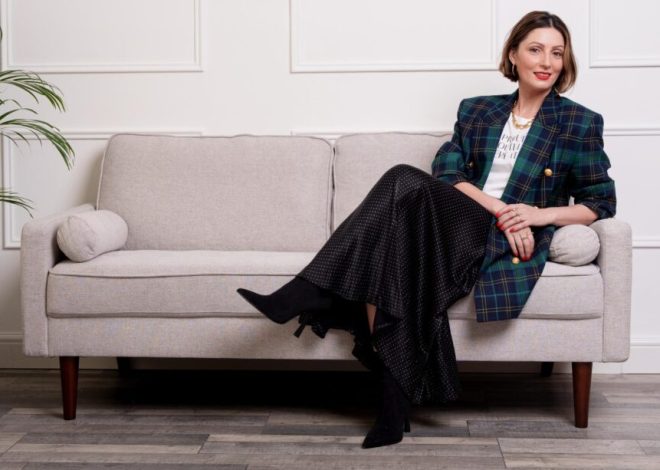
Certain staples have even developed symbolic meaning. A sharply tailored suit can project professionalism and authority; a leather jacket, a sense of rebellion or cool defiance. Even casual wear, such as well-fitted jeans and a crisp white shirt, speaks to timeless confidence and effortless style.
The Psychology of Dress: How Clothing Affects Confidence
There is a fascinating psychological dimension to what we wear. Numerous studies in the field of “enclothed cognition” suggest that clothing can influence not just how others see us, but how we perceive ourselves. Dressing well—whatever that means to the individual—can elevate self-esteem, focus, and overall mood.
For instance, formal attire may enhance feelings of competence in a business setting, while comfortable activewear can increase motivation during workouts. In essence, clothing serves as both armor and amplifier—fortifying confidence and shaping behavior.
Wardrobe Foundations: Essentials That Transcend Trends
A well-rounded wardrobe is built on timeless pieces that offer versatility, quality, and style longevity. While trends come and go, these essentials remain consistently elegant:
-
The White Button-Down Shirt: Crisp, adaptable, and endlessly chic.
-
Tailored Trousers: Ideal for both professional and casual occasions.
-
Little Black Dress (LBD): Universally flattering and eternally stylish.
-
Dark Denim Jeans: Classic and easy to dress up or down.
-
Blazer or Structured Jacket: Adds polish to any ensemble.
-
Cashmere Sweater: A luxurious yet practical layering option.
-
Neutral Footwear: Well-crafted leather shoes or understated sneakers suit nearly any outfit.
Investing in high-quality basics allows individuals to build a cohesive wardrobe with pieces that work harmoniously together, reducing the need for excessive shopping and promoting sustainability.
The Rise of Sustainable and Ethical Fashion
In the modern era, clothing choices are increasingly influenced by social responsibility. The fashion industry, long criticized for its environmental footprint and labor practices, is undergoing a transformative shift. Consumers are now more mindful of sustainability, prompting brands to adopt eco-friendly fabrics, ethical production methods, and transparent supply chains.
Key movements include:
-
Slow Fashion: Encouraging fewer, better-quality purchases.
-
Recycling and Upcycling: Giving old clothes new life through design.
-
Natural and Organic Fabrics: Using materials like organic cotton, bamboo, and hemp to reduce impact.
-
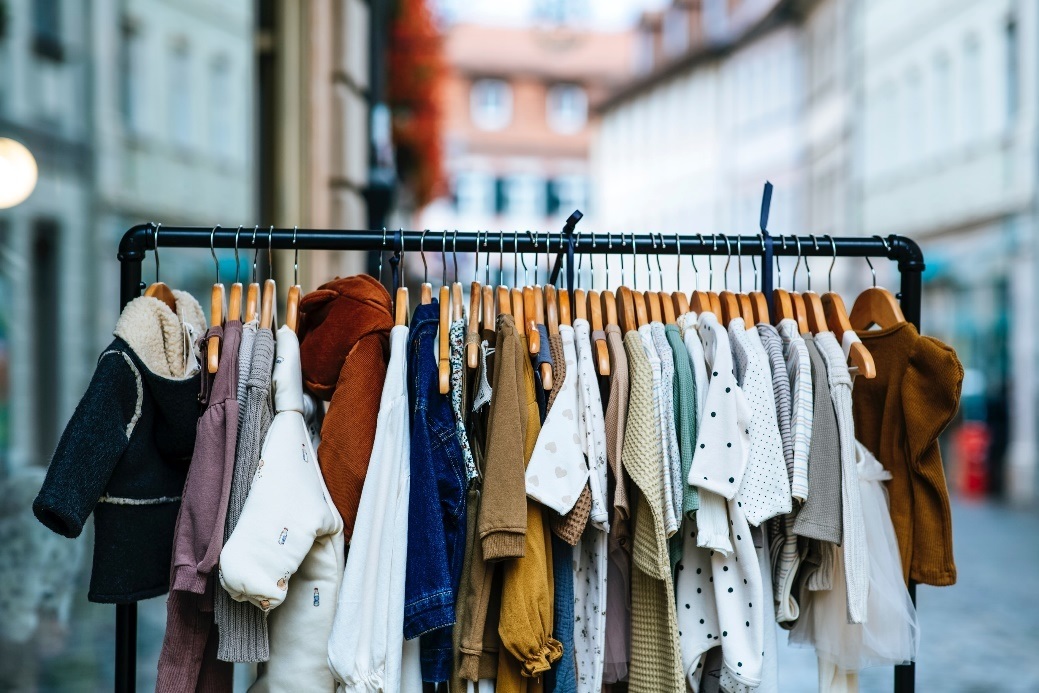
Secondhand and Vintage Shopping: Embracing pre-loved items for their uniqueness and reduced waste.
By aligning fashion with values, consumers play an active role in shaping a more equitable and environmentally responsible industry.
Fashion as Art and Innovation
Clothing also thrives as a canvas for artistic and technological innovation. Haute couture—custom-fitted high fashion—exemplifies the pinnacle of design, where garments are not merely worn but revered as art. Fashion houses like Dior, Chanel, and Alexander McQueen have transformed textiles into stories, expressing everything from romance to rebellion.
In parallel, technology is revolutionizing the industry. Smart fabrics, 3D-printed garments, and wearable tech blur the lines between function and fashion. Clothing that monitors vital signs, adapts to weather, or integrates digital interfaces is no longer the stuff of science fiction but a developing reality.
Adapting to Lifestyle and Occasion
Another fascinating aspect of clothing lies in its adaptability. Our wardrobe must evolve with the rhythm of life, from professional environments and social gatherings to leisure moments and special events. Knowing how to dress appropriately while preserving one’s individual style is a refined skill.
Consider the following wardrobe categories:
-
Professional Attire: Structured suits, modest dresses, tailored blouses.
-
Evening Wear: Elegant gowns, cocktail dresses, sharp tuxedos.
-
Casual Wear: Relaxed but intentional—jeans, T-shirts, comfortable shoes.
-
Athleisure: A blend of athletic function and streetwear aesthetics.
-
Loungewear: Soft fabrics that marry comfort with subtle elegance.
The ability to transition effortlessly across these categories showcases sartorial intelligence and attentiveness to context.
Conclusion: Clothing as a Reflection of the Human Experience
Clothing is far more than fabric. It is woven into the tapestry of human experience—shaping culture, framing self-perception, and articulating identity. Whether rooted in tradition or propelled by innovation, clothing continues to inspire, provoke, and empower.
In curating a wardrobe, we curate a part of ourselves. Each garment selected, worn, and cherished tells a story—not just of fashion, but of feeling, intention, and identity. As fashion continues to evolve, the most powerful statement we can make is one that is conscious, authentic, and uniquely our own.