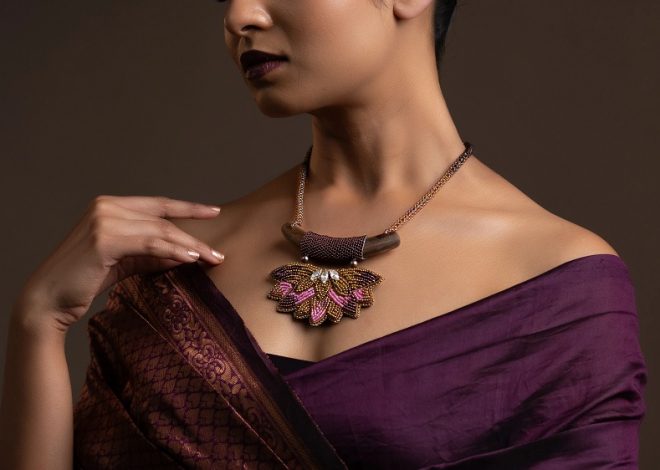

Eternal Elegance: The Timeless Allure and Cultural Significance of Jewelry
Jewelry has always been more than mere ornamentation. From the earliest beads strung by ancient hands to the masterfully crafted diamonds gracing red carpets today, jewelry carries deep cultural, emotional, and artistic weight. It transcends trends and time, offering not only beauty but also identity, legacy, and sentiment. Whether worn as a daily expression of personal style or reserved for cherished moments, jewelry tells stories—of love, heritage, achievement, and artistry.
Jewelry Through the Ages: A Glimpse into History
The human fascination with adorning the body is as old as civilization itself. Archaeological discoveries reveal that prehistoric humans wore shells, stones, and bones as jewelry, often attributing them with protective or spiritual powers. Ancient Egyptians elevated jewelry into a symbol of status and divinity, favoring gold and lapis lazuli to honor their gods and rulers. In India, elaborate gold and gemstone adornments became essential elements of both daily life and sacred rituals.
During the Renaissance, Europe saw jewelry take on artistic dimensions, with ornate settings and intricate designs reflecting wealth and intellectual prowess. In the modern era, styles became more diverse, with movements like Art Nouveau and Art Deco shaping aesthetics through bold innovation and craftsmanship. Today, jewelry continues to evolve while preserving its rich traditions, serving both as personal statement and heirloom.
More Than Aesthetic: The Emotional and Symbolic Value
Jewelry’s greatest power lies not only in its visual appeal but in the meaning it carries. A wedding band, a family heirloom, a locket passed from one generation to the next—these are not just accessories but deeply personal artifacts that encapsulate emotion, memory, and milestones. Consider the emotional resonance of:
-
Engagement Rings: Symbols of commitment and the promise of a shared future.
-
Family Heirlooms: Passed down through generations, rich with legacy and sentiment.
-
Religious Jewelry: Crosses, prayer beads, or talismans that represent faith and protection.
-
Graduation or Achievement Pieces: Gifts to mark accomplishment and new beginnings.
In every piece lies a story. Whether that story is intimate or public, sentimental or celebratory, jewelry helps to preserve the moments that define a life.
Types of Jewelry and Their Unique Appeal
Jewelry comes in many forms, each carrying its own style, functionality, and symbolism. Some of the most beloved include:
1. Necklaces
From delicate chains with minimalist pendants to elaborate bib necklaces encrusted with gems, necklaces are often focal points. A well-chosen necklace can draw attention to the neckline and transform an entire look.
2. Earrings
Earrings range from understated studs to dramatic chandeliers. They have the power to frame the face and highlight personality—elegant pearls for sophistication, bold hoops for flair, or gemstone drops for timeless grace.
3. Bracelets and Bangles
Whether stacked or worn solo, bracelets accentuate movement and rhythm. Cuffs can add edge, while tennis bracelets bring refined sparkle. Charm bracelets offer personalization, each charm adding a layer to the story.
4. Rings
Beyond the engagement ring, rings are expressive pieces that often symbolize love, heritage, or status. Stackable bands, statement cocktail rings, or antique signets—each speaks differently and powerfully.
5. Brooches and Pins
Often overlooked today, brooches are regal, expressive, and versatile. They can serve as accents on lapels, hats, scarves, or bags, adding old-world charm or avant-garde edge.
Craftsmanship: The Art Behind the Sparkle
True luxury in jewelry lies in its craftsmanship. Behind each exquisite piece is a skilled artisan who has painstakingly shaped metal, cut stone, and composed design. Techniques like filigree, enameling, stone setting, and engraving require precision and an artistic eye.
The value of handcrafted jewelry lies not only in its aesthetics but in its uniqueness. No two handmade pieces are ever exactly alike. This singularity adds not just beauty but individuality, turning every jewel into a wearable work of art.
Choosing the Right Jewelry: Style Meets Sentiment
Selecting jewelry is a deeply personal experience. Whether shopping for yourself or selecting a gift, consider the following:
-
Occasion and Lifestyle: Does the piece suit everyday wear, or is it reserved for special events?
-
Material and Skin Tone: Gold complements warm skin tones; silver and platinum enhance cooler tones.
-
Personal Style: Minimalists may prefer dainty pieces, while maximalists might lean toward bold, artistic designs.
-
Longevity: Classic designs endure far beyond seasonal trends and offer lasting elegance.
A thoughtful purchase means considering both beauty and meaning. Jewelry that speaks to your identity or values becomes not just an accessory but a part of you.
The Rise of Ethical and Sustainable Jewelry
As consumers grow more conscious of ethical sourcing and environmental responsibility, the jewelry industry is undergoing transformation. Ethical jewelry ensures that materials are sourced in ways that do not exploit workers or harm ecosystems. Key aspects include:
-
Conflict-Free Diamonds: Certified stones that are mined under fair labor conditions.
-
Recycled Metals: Using reclaimed gold and silver reduces environmental impact.
-
Lab-Grown Gemstones: Visually identical to natural stones, but created without mining.
-
Fair Trade Partnerships: Supporting artisan communities around the world with equitable pay.
Modern buyers are seeking transparency, sustainability, and integrity—qualities that make their jewelry not just beautiful, but conscientious.
Jewelry as an Investment
Unlike many fashion items that depreciate over time, fine jewelry can retain or even increase in value. Gold, platinum, and high-quality gemstones are tangible assets, and rare vintage or designer pieces can become valuable collectors’ items.
However, emotional value often outweighs monetary considerations. A treasured piece worn on a wedding day or passed down from a beloved grandparent holds a kind of wealth no appraisal can match.
Conclusion: A Legacy Carved in Stone and Gold
Jewelry is not simply adornment. It is history, emotion, artistry, and identity fused into a tangible form. It can whisper elegance or shout individuality. It can mark a beginning, honor an ending, or celebrate everything in between. In gifting it, we give memory. In wearing it, we embody self-expression. And in cherishing it, we carry with us something eternal.
As trends shift and styles evolve, the essence of jewelry remains—an enduring emblem of beauty, meaning, and connection that transcends generations. Whether modest or lavish, a single ring or an entire collection, jewelry continues to hold a rare and irreplaceable place in the human experience.