How to Tap into the Sportswear Market with Custom T-Shirts
The sportswear market continues to thrive, driven by an increasing demand for stylish yet functional apparel. For entrepreneurs and businesses seeking to break into this lucrative market, custom t-shirts offer a unique opportunity to cater to a diverse customer base. By combining quality designs with personalized branding, small businesses can capture the attention of athletes, fitness enthusiasts, and active individuals alike. This article explores effective strategies to tap into the sportswear market with custom t-shirts and how to create a product that stands out in a competitive space.
1. Understanding the Sportswear Market
Before diving into the world of custom t-shirts for sportswear, it is essential to understand the market landscape. Sportswear, also known as activewear, is designed for physical activity but often doubles as everyday casual clothing. It has evolved from functional workout gear to fashionable apparel that people wear both inside and outside the gym. Key segments within the sportswear market include:
- Athletic Apparel: Gear specifically designed for various sports, such as running, basketball, or soccer.
- Fitness Wear: Clothing aimed at individuals who participate in gym workouts, yoga, and similar fitness routines.
- Lifestyle Activewear: Apparel designed for comfort and style, often worn by individuals leading an active lifestyle, even outside of workouts.
By understanding these different segments, businesses can tailor their custom t-shirt designs to appeal to a specific niche, ensuring their products align with their target audience’s preferences and needs.
2. Designing for Function and Style
To succeed in the sportswear market, custom t-shirts must strike a balance between functionality and aesthetics. Athletes and fitness enthusiasts look for clothing that performs well, whether it’s moisture-wicking, breathable, or durable. At the same time, these customers want to look stylish both during and after their workouts.
When designing custom t-shirts for sportswear, consider the following factors:
- Fabric Choice: High-performance fabrics like polyester, nylon, and spandex are commonly used in sportswear. These materials are moisture-wicking, lightweight, and flexible, making them ideal for physical activity. Additionally, organic cotton or eco-friendly options can cater to customers who prioritize sustainability.
- Fit and Comfort: A good fit is crucial. T-shirts that allow for freedom of movement and feature a comfortable cut will appeal to athletes who need flexibility in their clothing. Consider offering a variety of fits, from slim to relaxed, to cater to different body types and preferences.
- Breathability and Durability: The right sportswear t-shirt should allow air to circulate, helping to keep the wearer cool and dry. Moreover, durability is important—high-quality stitching and reinforced seams ensure that the t-shirt can withstand regular use and washing.
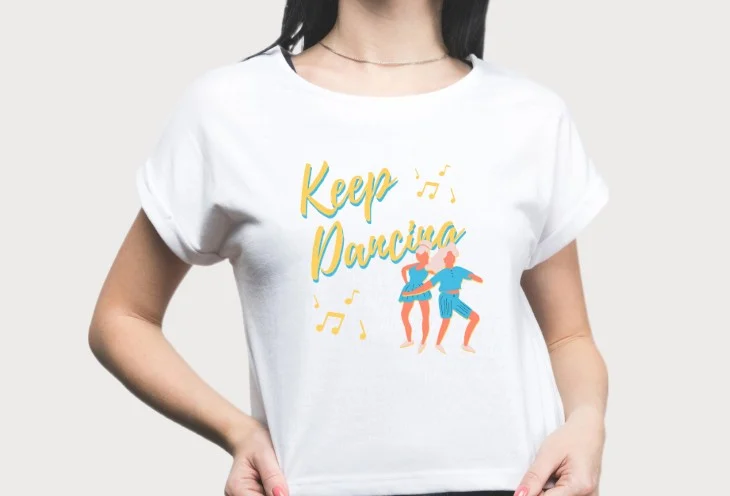
- Design and Aesthetic: The visual appeal of the t-shirt is equally important. Bold, motivational designs, team logos, or subtle prints that complement the active lifestyle can help your product stand out. Focus on designs that align with your target audience’s interests, whether it’s minimalistic gym wear or dynamic sports graphics.
3. Identifying Your Target Audience
A key factor in tapping into the sportswear market is identifying and understanding your target audience. While the market is broad, different groups have distinct needs and preferences when it comes to activewear. By narrowing your focus, you can create custom t-shirts that cater specifically to a niche group. Consider these potential target audiences:
- Fitness Enthusiasts and Gym-Goers: This group includes people who engage in regular physical exercise and prioritize both performance and style. Motivational quotes, branded gym logos, or athletic-inspired designs can resonate with this audience.
- Athletes and Sports Teams: Custom t-shirts for athletes can range from team jerseys to individualized training shirts. Offering custom designs with team names, logos, or player numbers can appeal to both professional athletes and local sports teams.
- Outdoor and Adventure Lovers: People who enjoy outdoor sports like hiking, cycling, or running may appreciate t-shirts that are designed for outdoor activities. Custom designs could feature nature-inspired graphics, performance fabrics, or functional details like UV protection.
- Active Lifestyle Consumers: These individuals may not necessarily be avid gym-goers or athletes, but they lead an active lifestyle and value comfort and versatility. Offering stylish yet functional t-shirts that can transition from workout wear to casual outfits is key for this segment.
By understanding the preferences and lifestyles of your target audience, you can create custom t-shirts that appeal to their specific needs while keeping your brand message consistent.
4. Incorporating Customization for Personal Appeal
Customization plays a pivotal role in the success of custom t-shirts in the sportswear market. Many consumers enjoy the opportunity to personalize their activewear to reflect their individuality or team spirit. Offering personalized options for custom t-shirts—such as custom text, names, numbers, or unique designs—can increase the appeal of your products.
For sports teams, offering custom t-shirts with player names, team logos, or even motivational slogans can create a sense of unity and pride. Fitness enthusiasts may appreciate the chance to print their own workout goals, gym handles, or personal mantras on their t-shirts.
With advances in printing technologies like screen printing, sublimation, and direct-to-garment (DTG) printing, small businesses can offer high-quality, durable customizations without breaking the bank. These options allow for detailed, vibrant designs that reflect the individuality of the customer, making the product more meaningful and desirable.
5. Marketing Your Custom Sportswear T-Shirts
Once your custom t-shirts are designed and ready for production, the next step is creating an effective marketing strategy to introduce them to the sportswear market. Several approaches can help raise awareness and drive sales:
- Social Media Campaigns: Social platforms such as Instagram, TikTok, and Facebook are excellent tools for showcasing custom sportswear t-shirts. Share visually appealing photos of the t-shirts in action, whether being worn by athletes, fitness influencers, or customers. User-generated content can also boost brand credibility, encouraging customers to share their own photos wearing your shirts.
- Influencer Partnerships: Partnering with fitness influencers or athletes who align with your brand can give your custom t-shirts significant visibility. Influencers can wear and promote your products, helping to build credibility and trust with their followers.
- Collaborations with Gyms or Sports Teams: Consider partnering with local gyms or sports teams to offer exclusive designs or collaborations. These partnerships help introduce your brand to a wider audience and create a sense of community around your products.
- E-commerce and Online Platforms: Setting up an online store with a smooth, user-friendly experience is essential for reaching a wider market. Offer detailed product descriptions, high-quality images, and size guides to help customers make informed purchasing decisions. Utilize online marketing tools like paid ads, email newsletters, and SEO to drive traffic to your website.
6. Sustainability and Ethical Considerations
In today’s market, sustainability is an important factor that many consumers consider when making purchasing decisions. Offering eco-friendly options, such as t-shirts made from organic cotton, recycled fabrics, or sustainable dyes, can give your brand a competitive edge. Additionally, being transparent about your manufacturing processes and sourcing practices can attract eco-conscious customers.
Startups and small businesses can also differentiate themselves by supporting ethical labor practices. Showcasing your commitment to fair wages, safe working conditions, and environmental responsibility can help build trust with your customers and position your brand as socially responsible.
7. Providing Quality Customer Service and Building Loyalty
Providing excellent customer service is key to retaining customers in the competitive sportswear market. Ensure that your customers have a positive shopping experience by offering fast and reliable shipping, easy returns, and clear communication about order statuses. Engaging with customers on social media, responding to inquiries promptly, and asking for feedback can also build a loyal community around your brand.
By offering high-quality custom t-shirts that meet the needs of athletes and fitness enthusiasts, and combining them with thoughtful marketing and exceptional service, small businesses can establish a strong presence in the sportswear market.
8. Leveraging Limited Editions and Seasonal Designs
Finally, introducing limited-edition designs or seasonal collections can create excitement around your brand. Offering exclusive t-shirts tied to events, holidays, or trends in the sportswear industry encourages customers to act quickly and adds a sense of urgency. A limited-edition line also gives your brand a sense of exclusivity, further fueling demand.
Final Thoughts
Tapping into the sportswear market with custom t-shirts presents a fantastic opportunity for small businesses and startups. By understanding the market, designing functional yet stylish t-shirts, and offering personalized options, businesses can effectively capture the attention of their target audience. With strategic marketing, ethical practices, and a focus on quality, custom t-shirts can become a cornerstone of success in the thriving sportswear industry.